
Should You Remove Wallpaper Before Painting a Tampa Room?
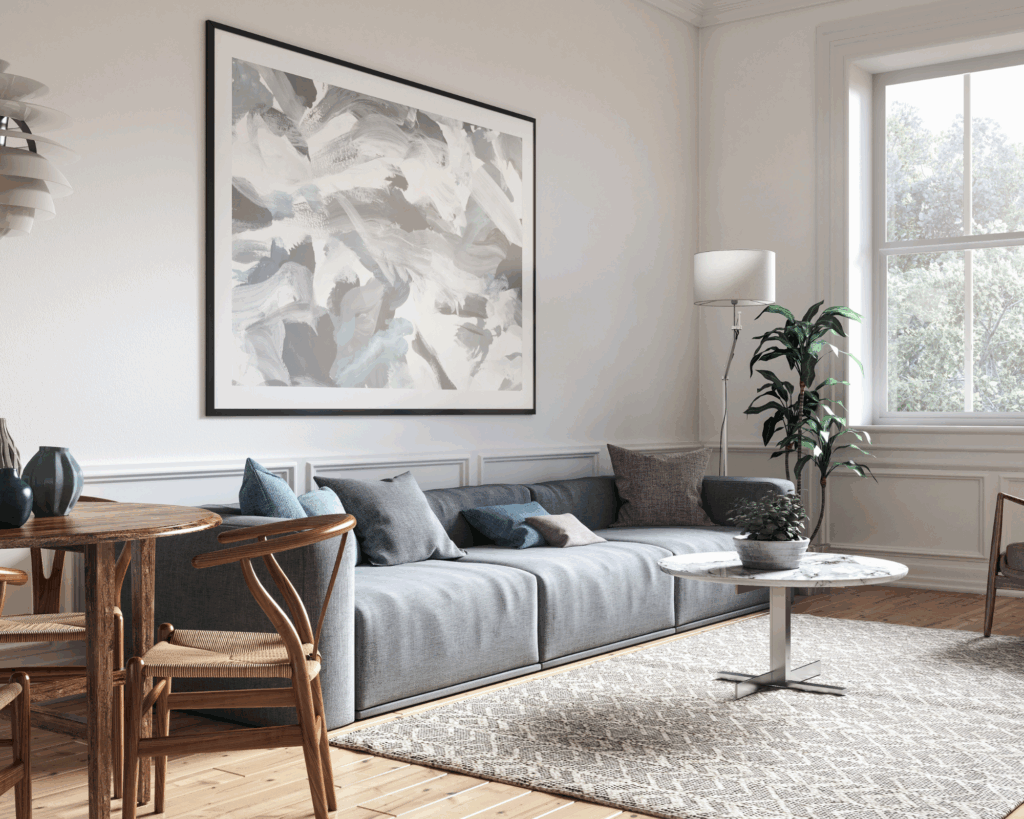
I would normally plan to remove wallpaper before painting a Tampa room. It lets us evaluate the wall instead of relying on the paper and its old adhesive to hold the new finish. But removal needs a small, careful assessment first, especially when the condition of the wall underneath is unknown.
Picture a Tampa homeowner refreshing a guest room before Thanksgiving. The wallpaper looks dated, but the homeowner would rather avoid a project that keeps expanding after work starts. The homeowner situation in this article is an illustrative example, not a report of a specific customer or completed job.
The first decision is about the surface, not the color
Sherwin-Williams recommends removing wallpaper, washing off old adhesive, and allowing the wall to dry before priming.[1] That is the direction I would start with for a sound, properly prepared wall.
There is a real exception worth understanding. The Wallcovering Installers Association says removal should be attempted before deciding to paint over paper, but acknowledges cases where paper adhered to unprepared drywall will not release without damage.[2] That is a reason to assess the substrate and discuss options, not a blanket recommendation to paint over everything.
For our illustrative room, I would inspect seams, lifting edges, staining, and the wall’s response in a limited test area. I would also establish whether it is paper-faced drywall, plaster, or another surface before choosing a removal approach. A wallpaper pattern alone does not tell me how it was installed.
Do not promise a one-day transformation before the test
Benjamin Moore warns that poor wallpaper removal can damage walls.[3] If the first test exposes torn drywall facing, multiple layers, or adhesive that needs more work, that changes the preparation scope. It is better to discover that before the homeowner has moved guests into the next room.
I would explain which work is known and which depends on what is exposed. The proposal can distinguish removal from wall repair, sealing, priming, and finish painting without inventing a universal room price or completion time.
For the broader schedule, our interior repainting timeline explains the sequence of a painting project. This article handles the wallpaper decision that should come before committing to that schedule.
“I want to know what the wall can support before we choose the finish. Painting over loose paper, leftover paste, or an unresolved damp area only hides the decision we should have made first.”
Logan Steege, Owner, Jack O’ Trades
The paper is gone. Is the wall ready?
Not necessarily. Adhesive residue and damaged drywall facing can still interfere with a new finish. The wall needs assessment after removal rather than a quick coat of paint because the pattern has disappeared.
Product instructions matter here. Roman’s PRO-458 technical sheet describes a ready-to-use wallpaper and paste remover, says not to dilute it, and specifically excludes use in steamers.[4] I would follow the instructions for the actual product and surface, rather than combine techniques from unrelated online recipes.
Rust-Oleum’s GARDZ technical sheet identifies residual wallpaper adhesive and damaged drywall facing as specific preparation problems its sealer is designed to address.[5] That does not make it a substitute for removing loose material, addressing moisture, or following the chosen finish system’s instructions. It explains why a general-purpose primer may not be the whole answer.
Our painting tools article covers the broader equipment question. The important issue here is what the exposed wall needs, not buying a longer list of tools before looking at it.
Tampa's moisture question belongs before paint
If wallpaper has unusual staining, soft backing, or a musty area, I would pause the cosmetic work. UCF’s Florida Solar Energy Center explains that impermeable vinyl wallcoverings can trap moisture in hot, humid Florida wall assemblies, including when outdoor air enters behind them.[6] That is a building-moisture concern, not proof that every wallpapered Tampa room has mold.
Florida Department of Health guidance identifies moisture control as the key to limiting indoor mold growth.[7] Painting over a suspicious area does not establish that the source has been corrected. Depending on what is found, the homeowner may need a qualified building-moisture or remediation professional before decorating continues.
November’s milder weather does not erase this issue. FSEC notes that Florida homes can have humidity problems during mild weather when air conditioning runs less.[6] I would make decisions from the room’s condition and measurements, rather than assume fall means the wall is dry.
What if the wallpaper really cannot come off cleanly?
Then I would explain the choices and their limitations before proceeding. Leaving sound, tightly bonded paper in place may be considered in particular circumstances, but loose seams, hidden damage, and a finish that shows old texture remain concerns. The WIA’s guidance treats painting over paper as a considered exception after a genuine removal attempt.[2]
A different decorative treatment also needs an appropriate underlying surface. Our wainscoting article covers that separate project; covering a wall should not become a way to avoid evaluating it.
If preparation may disturb old paint in a pre-1978 home, I would establish the lead-safe requirements before sanding or scraping. EPA’s RRP guidance explains the certification requirements that generally apply to paid work disturbing painted surfaces in those homes.[8] A new topcoat does not tell us the age of the layers below.
What I would ask you to send first
For wallpaper removal and painting in Tampa, send room photographs, close views of seams and stains, and the home’s approximate age if known. Mention the date guests arrive and any previous leaks.
I would use those details to plan an assessment and explain the possible preparation paths. The aim is a wall ready to receive a durable finish, with the uncertainty addressed before the room is promised back for the holidays.
Sources
- Sherwin-Williams — How to Paint Prep, Wallpaper section
- Wallcovering Installers Association — Wallpaper Tips & Info, painting over wallpaper
- Benjamin Moore — How to Remove Wallpaper in 6 Steps
- Roman Products — PRO-458 Gel Spray Wallpaper & Paste Remover, Technical Data (June 29, 2022)
- Rust-Oleum Zinsser — GARDZ Problem Surface Sealer, Technical Data GDZ-01 (March 13, 2019)
- University of Central Florida, FSEC — Mold Growth, Vinyl Wall Covering section
- Florida Department of Health — Mold
- U.S. Environmental Protection Agency — Lead Renovation, Repair and Painting Program
