
What Can a Handyman in Tampa, FL Fix Before a Hurricane Instead of After One?
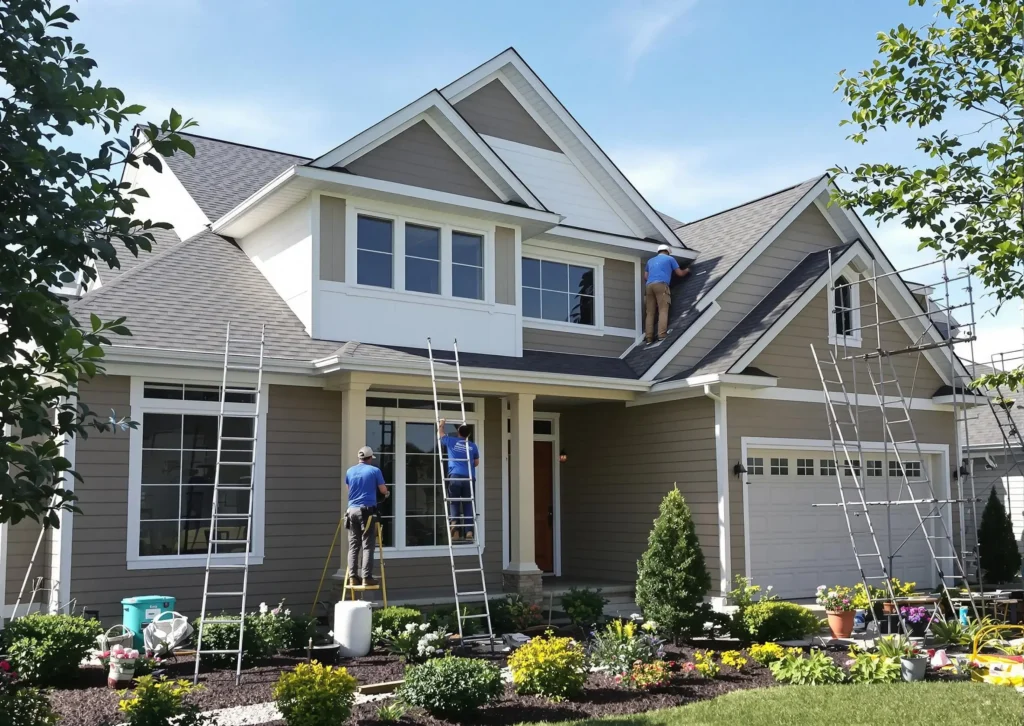
The situations described here are composites drawn from the types of jobs and decisions we encounter regularly. Names and specific figures are illustrative.
She had grown up with snow, not storm surge. When she moved to Seminole Heights in 2024, hurricane prep meant a case of water and a flashlight. She got through the first season without a direct hit, so nothing about the house was tested. The next spring, repairs were still something she thought of as a thing that happens after damage. A handyman in Tampa, FL was a name saved in her phone for leaky faucets, not for storms.
A comment over the fence
In June, a neighbor who had lived on the block for fifteen years looked at her roofline and mentioned that the soffit vents had gaps. She went outside, looked up and saw it. Then she noticed the rubber seal along the bottom of her garage door was cracked, and three fence posts along the side yard were leaning.
Individually, none of it looked urgent. Together it described a house that would let wind and water in at several points the moment a storm arrived. Soffit gaps let wind-driven rain into the attic. The garage door is typically the largest opening in a home and a common point of wind-pressure failure. A leaning fence turns into airborne debris.
Sorting the list before picking up a tool
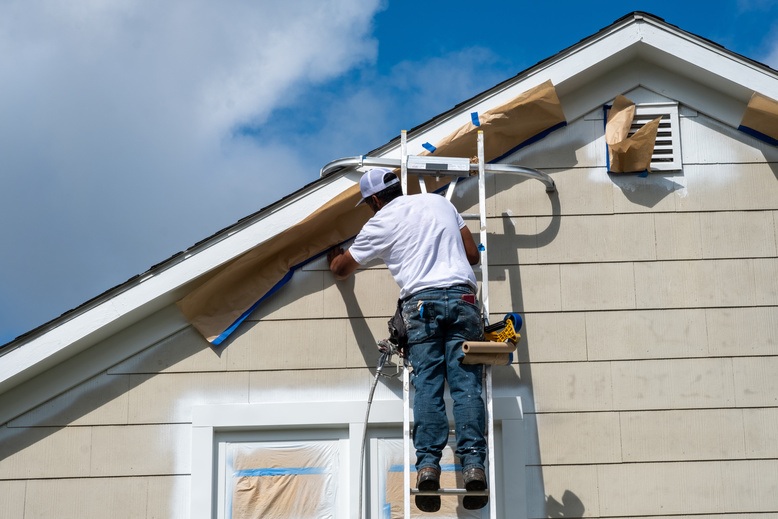
She called for a walkthrough. The first thing the handyman did was not pick up a tool. He walked the house with her, outside first, and sorted what he saw into three groups: things that could cause real damage in a storm, things that would cause slow damage over time, and things that were cosmetic. That sorting keeps the budget on the items that matter, and it is worth doing for any house.
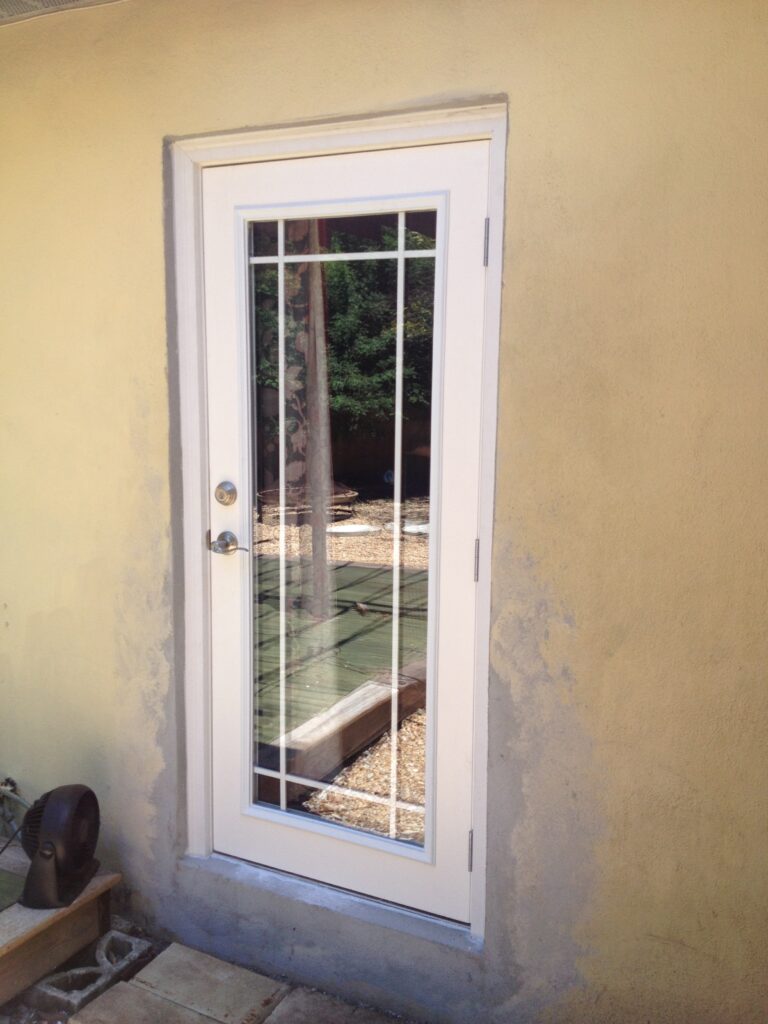
The storm-critical items went first. Soffit vents were re-secured and patched. The cracked garage door seal was replaced. Fence posts were reset and braced. Two tree limbs hanging within a few feet of the roof were trimmed back. Old caulking around windows and doors was redone where beads had split, and the gutters were cleared so water would leave the roofline.
The second group was smaller: weather stripping on the entry doors, a loose fascia board at one corner, and a sliding door track that did not lock cleanly. The cosmetic items were left for later. Spending on paint before a storm is rarely the best use of the same money.

A homeowner in her position often asks which of this she could do herself. Caulking, clearing gutters and putting leak sensors near the water heater and under sinks are reasonable DIY jobs. Roof-edge work, soffit repair and anything involving a tall ladder are better left to someone who does them every week. For people with a longer list, a punch list visit is often more efficient than paying for a separate service call on each item.
What it cost, and what she had not considered
The bill came to just under $900. She had expected a few thousand dollars, because the repairs sounded like construction. Most of them were not. They were the kind of work a good handyman service in Tampa does in a day or two with a ladder, sealant, a few boards and some hardware.
Insurance was the part she had not thought about. In Florida, documented wind-mitigation features can lower a homeowner’s premium, though not every repair qualifies, and each carrier credits different items. A tidy, documented house also gives an inspector fewer reasons to mark items down. Flood maps in the Tampa Bay area have been updated recently, and flood zone changes can affect flood insurance costs for some properties, so it is worth asking an insurance agent how a specific address is affected.
How August went
In August, when tropical storm warnings were issued for the area, she did the quiet things. She brought in patio furniture, checked the garage, and wrote down her insurance claim number in case she needed it. The storm passed with rain and gusts, and the house held. Looking back, the lesson she drew was simple: she had meant to get to it eventually, and eventually would have cost much more than $900.
Timing matters here more than people expect. NOAA’s 2026 outlook called for a below-normal Atlantic season, with 8 to 14 named storms. A quiet forecast does not change the math for a single house, because it only takes one storm to reach Tampa Bay. A related story on how a Brandon homeowner timed an October exterior repaint covers the same idea of choosing the right season for exterior work.
For anyone weighing storm prep in their own house, the cheapest time to call a handyman in Tampa, FL is before the forecast cone includes your address. Late-season repairs book quickly, and what is left is usually the work nobody wanted to do in June.
If you’re looking for handyman services in Tampa, you can reach out here.
Sources
