
How Do You Actually Verify a Licensed Handyman in Brandon, FL Before the Storm Hits?
The situations described here are composites drawn from the types of jobs and decisions we encounter regularly. Names and specific figures are illustrative.
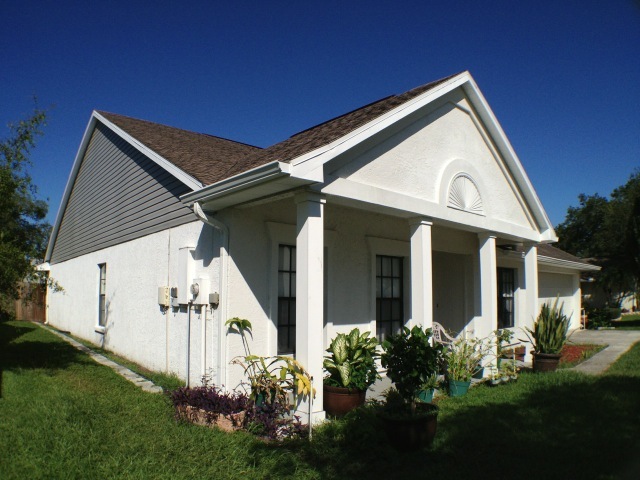
The call came in on a Tuesday in mid-June, the kind of afternoon where the air over Brandon feels like a wet towel and the radar already shows a cluster building over the Gulf. A homeowner off Bloomingdale had hired someone off a neighborhood app to fix soffit and two rotten fascia boards before the first named storm. She had paid a deposit. The night before the start date, her brother-in-law, who adjusts insurance claims in Riverview, asked one question: did you confirm he is a licensed handyman in Brandon, FL, and did you ask for a certificate of insurance?
She had not. She had checked reviews. She had checked the price. She had not checked the two pieces of paper that decide who pays when a ladder goes through a window or when a soffit job fails the next inspection.
Where the confusion usually starts
Florida does not issue a single statewide handyman license. The state regulates work by trade and by scope, not by job title. So a person can call themselves a handyman and legally hang a ceiling fan, swap out a faucet cartridge, patch drywall, paint a bedroom, install a screen panel, or tighten a deck rail. The same person, doing electrical work that touches the panel, or replacing a water heater, or framing a structural wall, is operating outside the law no matter what the website says.
Brandon sits inside Hillsborough County, which means the local enforcement layer comes from the Hillsborough County Construction Licensing Board on top of the state Department of Business and Professional Regulation. Both have public lookup tools. Neither one charges to use them.
The two papers that matter
Ask for two documents before signing anything, both delivered as PDFs you can keep in your email.
The first is the active license. For permit-required work in Florida, that means a state Certified or Registered contractor license with a CRC, CGC, CBC, or trade-specific prefix, verifiable on the DBPR portal by name or license number. For work that stays inside true handyman scope, no state license is required, but a Hillsborough County business tax receipt and any local trade registration should still be on file. If you ask for a license number and the person hesitates or sends a generic business card image, that is the answer.
The second is a current certificate of insurance, or COI, issued directly to you by the contractor’s insurance carrier or agent. It should show general liability coverage with the limit clearly stated, and, if there are employees, workers’ compensation coverage or a state-issued exemption number. A real COI lists the policy number, the effective and expiration dates, and the insurer. A screenshot of a declarations page from two years ago is not a COI. The first contractor in this story sent her a photo of a policy that had lapsed in late 2024.
Where the scope line actually sits
Handyman scope (no state license required) includes interior painting, cabinet hardware, fixture swaps that do not alter rough-in plumbing or wiring, drywall patching, trim repair, screen replacement, pressure washing, gutter cleaning, and minor carpentry. Permit-required (licensed contractor only) covers structural framing changes, roof replacement, window replacement, exterior door replacement on a load path, HVAC system work, water heater replacement, panel work, and anything tied to wind-mitigation credits.
The Bloomingdale soffit job sat in the gray zone. The original quote was written as a cosmetic repair. When we pulled the first rotten board, we found the underlying truss tail soft for about three feet. That is no longer a handyman job. It is a permit-required structural repair, and it needs to be done by someone whose license actually authorizes it.
What unpermitted work does to a Tampa Bay house later
The cost of skipping a license rarely shows up the week of the job. At resale, when a buyer’s inspector finds work that does not match the permit history on county records, a $1,800 unpermitted addition can turn into a $14,000 retrofit and an extended escrow.
At insurance claim time, Florida homeowner policies routinely contain language excluding damage that originates from unpermitted or unlicensed work. After a storm, when a soffit assembly fails and water enters the attic, the adjuster traces the failure back to the original repair. If the repair was done outside scope and without a permit, the resulting damage may not be covered.
At the wind-mitigation inspection, many Tampa Bay homeowners carry a credit that knocks several hundred dollars off the annual premium. Work done outside the permit system can quietly disqualify a feature, and the homeowner does not find out until renewal.
The conversation in the driveway
Any reputable operator will return a deposit when scope changes outside their license. Someone working outside their lane usually does not push back hard, because they do not want a formal complaint filed with DBPR or the county. The only way to know if the next person is different is to ask for the license number, run it through the DBPR portal yourself, and ask the agent to email the COI directly. Those two steps take eight minutes and screen out most of the operators who would have caused the trouble.
The Bloomingdale homeowner did exactly that. She got her deposit back. We pulled the permit for the structural piece, did the truss-tail repair in-scope, replaced the fascia and soffit per code, and her wind-mitigation paperwork stayed intact. We walked through the same scope-versus-trade logic on plumbing in our post on whether a handyman can do plumbing work in Tampa, FL.
What a Brandon homeowner can take from this
Asking for a license number and a COI is not rude. The two documents protect the homeowner first and the contractor second. Anyone who treats the request as an insult is telling you something useful about how they would handle the next problem on the job. A licensed and properly insured operator hands the paperwork over without comment because they have already had to send it twenty times that year.
Mid-June is the right week to do this. Crews are booking out into August, the first tropical waves are already in the modeling charts, and the temptation to take whoever shows up first is real. The eight minutes spent verifying a licensed handyman in Brandon, FL is cheaper than the conversation with an adjuster in October. Our past projects page walks through a representative slice of completed Tampa Bay jobs, and you can reach our team through the contact page if you want a quote.
